

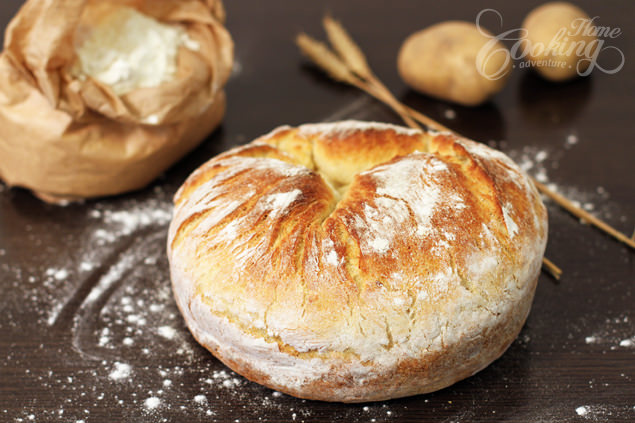
This Potato Bread is a rustic homemade yeast bread with a soft, elastic crumb and a beautifully crisp golden crust. Made with mashed potatoes and some of the water used to cook them, the bread has a wonderful texture and subtle potato flavor.
What I especially love about this potato bread is how simple the ingredients are. You only need potatoes, flour, yeast, salt, oil, and a little sugar, yet the result is a loaf that feels special.
The bread is baked in a preheated cast-iron pan with a lid, which traps steam during the first part of baking and helps create that crisp, artisan-style crust.
I’ve made this bread many times over the years, and it remains one of my favorite yeast breads when I want homemade bread without the longer process of sourdough. It is delicious still slightly warm, with butter, but it is also wonderful sliced and toasted the next day.
Why You’ll Love This Potato Bread
- Soft and elastic inside – mashed potatoes give the crumb a lovely texture.
- Crispy golden crust – baking in a covered cast-iron pan helps create a beautiful crust.
- Simple ingredients – you probably already have most of them in your kitchen.
- No sourdough starter needed – this is a yeast bread that is much quicker to make.
- Great way to use potatoes – especially when you have a few potatoes that need to be used.
- Perfect for everyday baking – serve it with breakfast, soups, stews, or dinner.
- Makes one generous loaf – perfect for sharing with the family.
What Does Potato Do in Bread?
Mashed potatoes can make homemade bread softer and more tender while also adding moisture to the dough.
The starch in the potatoes helps the bread retain moisture, giving the finished loaf a soft, slightly chewy crumb. In this recipe, some of the potato cooking water is also added to the dough, making use of the starch-rich water and adding even more moisture.
The result is a rustic loaf with a soft interior and crisp crust.
Ingredients You’ll Need
- White floury potatoes – mashed and incorporated into the dough. Choose potatoes that become soft and fluffy when boiled.
- Bread flour – gives the loaf structure and helps create a pleasantly chewy crumb.
- Potato cooking water – adds moisture to the dough and contains starch released from the potatoes.
- Fresh yeast or active dry yeast – provides the rise and creates the airy texture.
- Olive or sunflower oil – adds a little richness and helps create a soft crumb.
- Brown sugar – gives the yeast a little help while adding subtle sweetness.
- Salt – balances the flavor and is essential for good bread.
How to Make Potato Bread
- Cook the potatoes. Boil the potatoes in salted water until tender. Drain them, let them cool, and reserve about 120–140 ml of the cooking water.
- Activate the yeast. Mix the fresh yeast with brown sugar until it becomes liquid. Stir in a little flour and set aside. If using active dry yeast, follow the recipe instructions for activating it.
- Make the dough. Mash the cooled potatoes and combine them with the bread flour and salt. Add the yeast mixture diluted with the reserved potato water and mix until a dough forms.
- Knead the dough. Add the oil and continue kneading until the dough becomes smooth and elastic and pulls away from the bowl.
- Let the dough rise. Place the dough in an oiled bowl, cover it, and let it rise until doubled in size.
- Shape the loaf. Transfer the dough to a lightly floured surface, shape it into a round loaf, and place it on a floured kitchen towel. Cover and let it rise again.
- Preheat the cast-iron pan. Place your cast-iron pan in the oven while it preheats to 470°F (240°C). The pan needs to become very hot before the dough goes in.
- Bake with steam. Carefully transfer the risen loaf to the hot pan, cover with the lid, and bake for 25 minutes. Remove the lid and continue baking until the bread is deeply golden and the crust is crisp.
- Cool before slicing. Transfer the bread to a wire rack and allow it to cool before slicing. It will continue to set as it cools.
Tips for Making the Best Potato Bread
Use floury potatoes
Choose potatoes that become fluffy and dry when cooked. They are easier to mash and work particularly well in bread dough.
Don’t skip the potato cooking water
The recipe uses some of the water in which the potatoes were boiled. Reserve the amount specified before draining the potatoes.
Let the potatoes cool
Don’t add very hot mashed potatoes to the dough. Allow them to cool first so they don’t interfere with the yeast.
Knead until the dough becomes smooth
The dough should become elastic and pull away from the sides of the bowl after kneading.
If it feels sticky at first, resist the temptation to add a lot of extra flour. Give the dough some time to develop before deciding whether it needs more flour.
Give the dough enough time to rise
The rising time can vary depending on the temperature of your kitchen. Use the dough itself as your guide—it should become noticeably larger and roughly double in size.
Preheat the cast-iron pan
This is an important part of the recipe.
The pan needs to be very hot before the dough goes in. The covered pan traps steam around the loaf during the first part of baking, helping the bread develop a crisp crust.
Be careful when transferring the dough
The cast-iron pan will be extremely hot. Carefully transfer the dough into the pan and use oven mitts when handling the pan and lid.
Don’t cut the bread while it’s very hot
I know it’s tempting, especially when the bread smells amazing, but allow it to cool before slicing. Cutting too early can make the crumb appear gummy.
Can I Use Active Dry Yeast Instead of Fresh Yeast?
Yes. The recipe includes both options: 25 g fresh yeast or 2¼ teaspoons active dry yeast. Follow the corresponding amount listed in the recipe card.
Can I Use All-Purpose Flour?
Yes, but bread flour is preferable for this recipe because it provides more gluten and helps create the elastic, chewy texture of the finished loaf.
If using all-purpose flour, you may need to adjust the amount of water slightly depending on the flour and the moisture in your potatoes.
Can I Make Potato Bread Without a Cast-Iron Pan?
Yes. A heavy oven-safe pot with a lid, such as a Dutch oven, is a good alternative.
The important part is having a sturdy, heatproof pan that can be preheated and safely covered in the oven.
Can I Make This Bread Without the Lid?
You can, but the lid plays an important role in creating steam during the first part of baking.
Without the lid, use a pot with hot water at the bottom of the oven, for the first 25 minutes of baking.
Why Is My Potato Bread Dense?
A dense loaf can be caused by several things, including insufficient kneading, too much flour, or not allowing the dough enough time to rise.
Make sure the yeast is active and allow the dough to rise until it has visibly increased in volume rather than relying only on the clock.
Can I Add Herbs or Garlic?
Yes. You can add finely chopped fresh herbs such as rosemary or thyme, or a little roasted garlic, for a savory variation.
I’d start with a modest amount so you don’t interfere with the texture of the dough.
How Should I Store Potato Bread?
Once completely cooled, store the bread at room temperature in a bread bag or airtight container.
For the best crust, avoid storing it in the refrigerator, which can make homemade bread stale more quickly.
If you have leftovers, slice the bread and freeze it for longer storage.
Can I Freeze Potato Bread?
Yes. Allow the loaf to cool completely, then wrap it well or place slices in a freezer-safe bag.
Freezing individual slices is particularly convenient because you can take out only what you need and toast them directly from frozen.
Frequently Asked Questions
Does potato bread taste like potatoes?
It has a subtle potato flavor rather than tasting strongly of potatoes. The mashed potatoes mainly contribute moisture and texture, giving the bread a soft, slightly chewy crumb.
What makes potato bread soft?
The mashed potatoes add moisture and starch to the dough, which helps the finished bread stay soft and tender.
Can I use leftover mashed potatoes?
Yes, but the consistency of mashed potatoes can vary considerably. If they contain butter, milk, or cream, the dough will be slightly different from the original recipe. Add the liquid gradually and adjust the flour only if necessary.
Why bake potato bread in a covered pot?
The lid traps steam around the bread during the first part of baking. This helps the loaf expand and contributes to a crisp, golden crust.
More Homemade Bread Recipes
If you want an even simpler loaf, try my Easy Homemade Bread, made with only four basic ingredients and baked with steam for a crisp crust and soft interior.
For something savory and cheesy, try my Zucchini Cheese Bread, a flavorful quick bread that’s perfect alongside soups or salads.
Try this Greek Yogurt Bread for a quick, soft bread made with Greek yogurt and no yeast. It’s an easy option when you want homemade bread without waiting for the dough to rise.
This Easy No-Knead Focaccia uses a slow fermentation instead of kneading, resulting in a soft, airy crumb and a golden, slightly crispy crust. It’s perfect with soups, salads, dips, or for making sandwiches.
YOU MAY ALSO LIKE:
Olive Bread
Wheat Bran Bread
Caramelized Onion Bread
Easy Sandwich Bread
No-Knead Bread
Kefir Bread
Easy No-Knead Cheese Bread
Video
Potato Bread
Ingredients
- 1 pound (500 g) white floury potatoes (about 3-4 medium potatoes)
- 4 cups (500g) bread flour
- 1/2 cup to 2/3 cup (120-140ml) water from boiling potatoes
- 2 tsp salt
- 2 tbsp oil (olive or sunflower oil)
- 25 g fresh yeast (2 1/4 tsp active dry yeast)
- 1 tsp (5g) brown sugar
Instructions
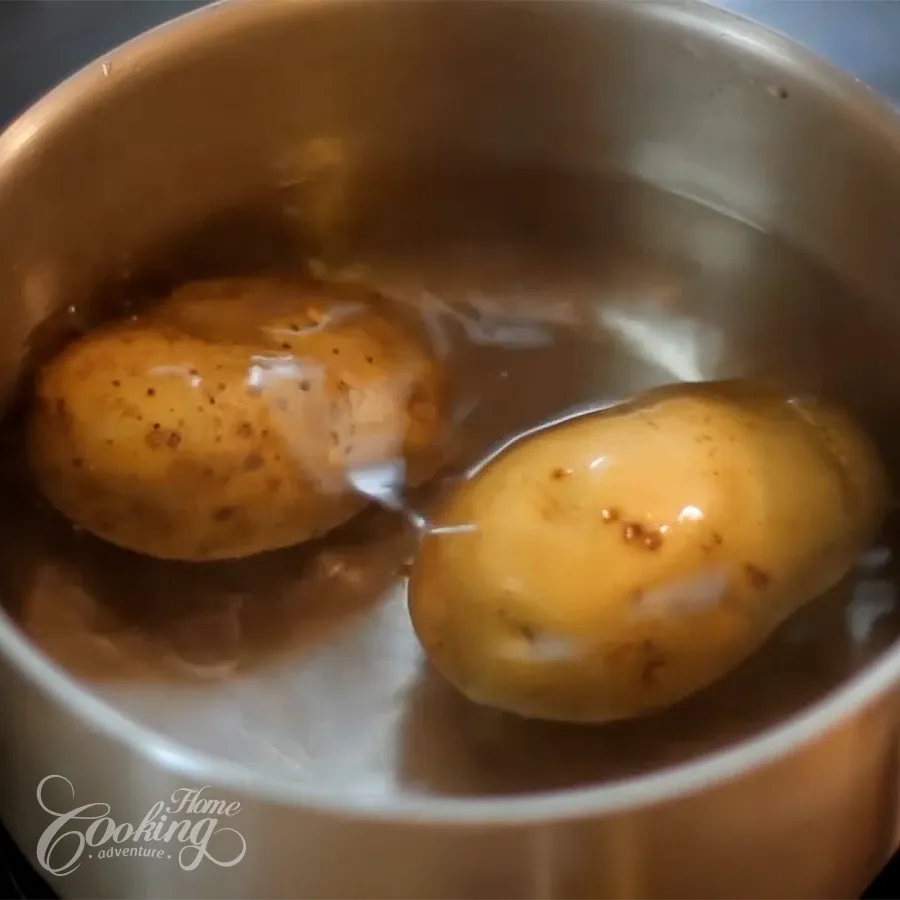
- Wash potatoes well and boil with 1-2 teaspoons of salt until tender. Remove them from water and allow potatoes to cool. Keep 120-140 ml of water in which potatoes were cooked.
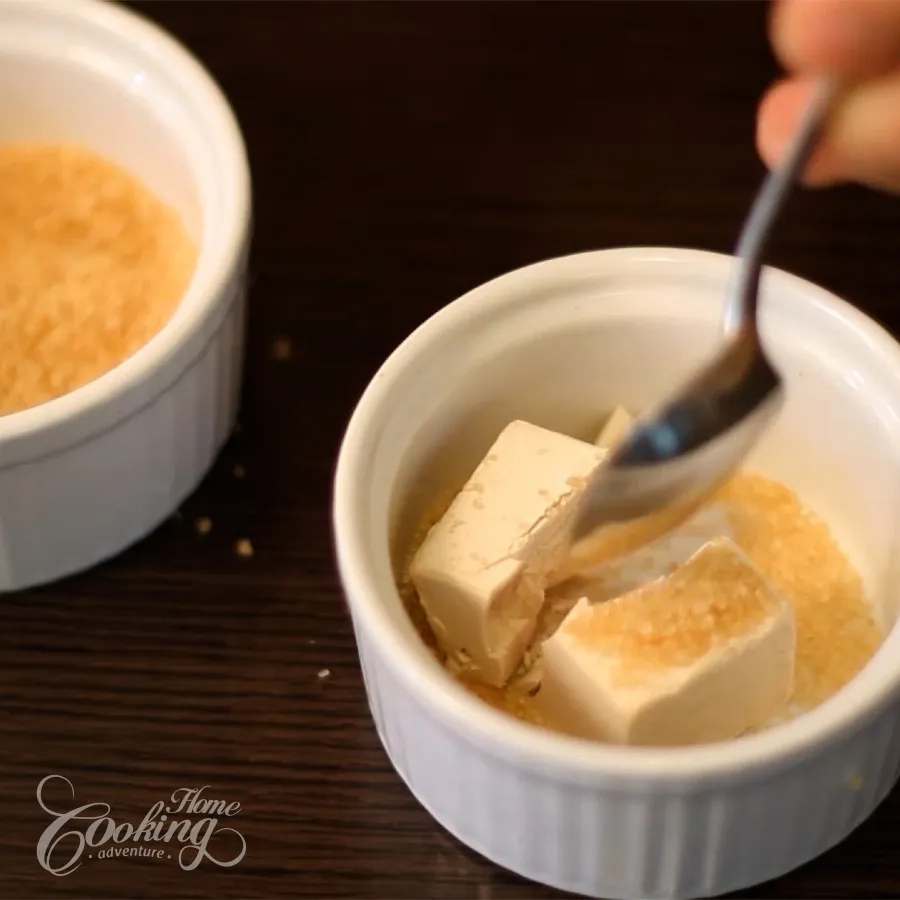
- Meanwhile stir fresh yeast with 1 teaspoon brown sugar until it liquefies. Stir in 2 tsp of flour and set aside.
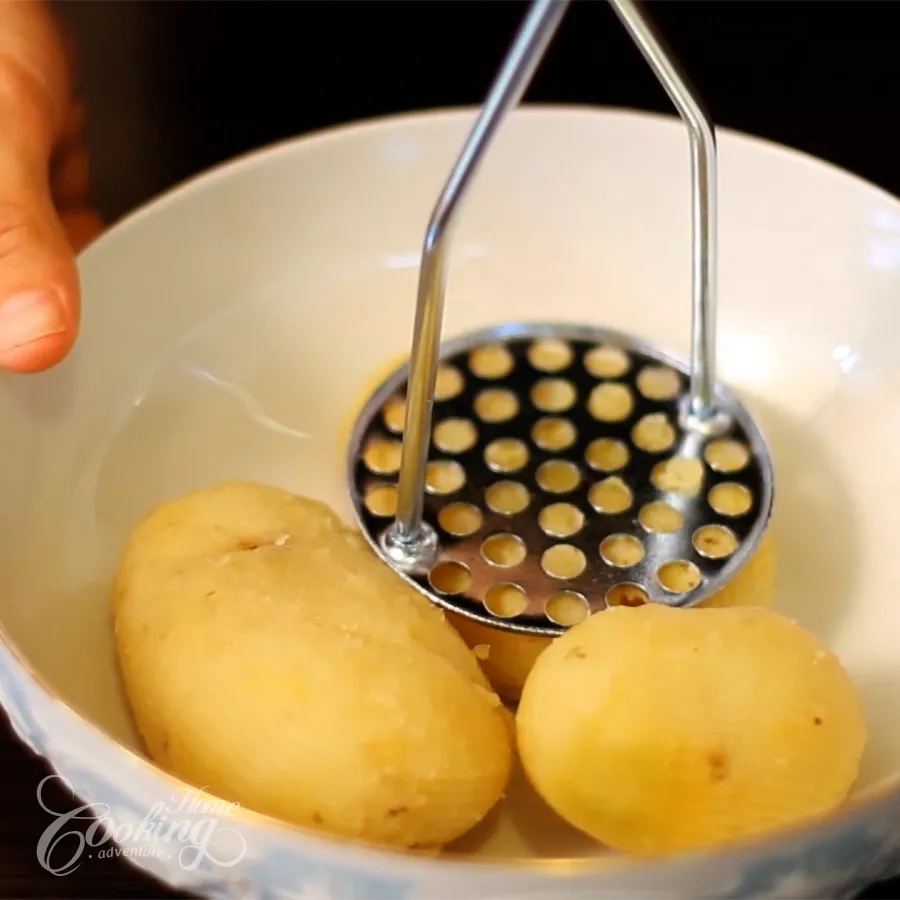
- Peel and mash the cooled potatoes.
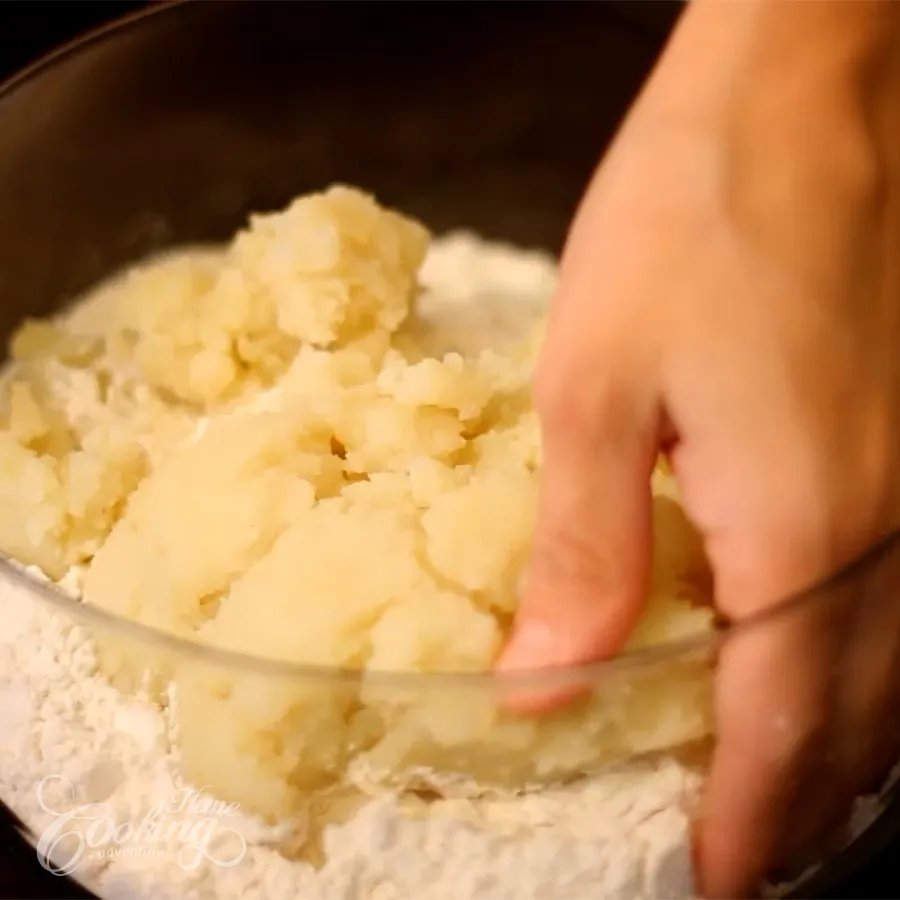
- Add flour into a large bowl and add the mashed potatoes into the center. Add salt and start mixing until crumbs forms.
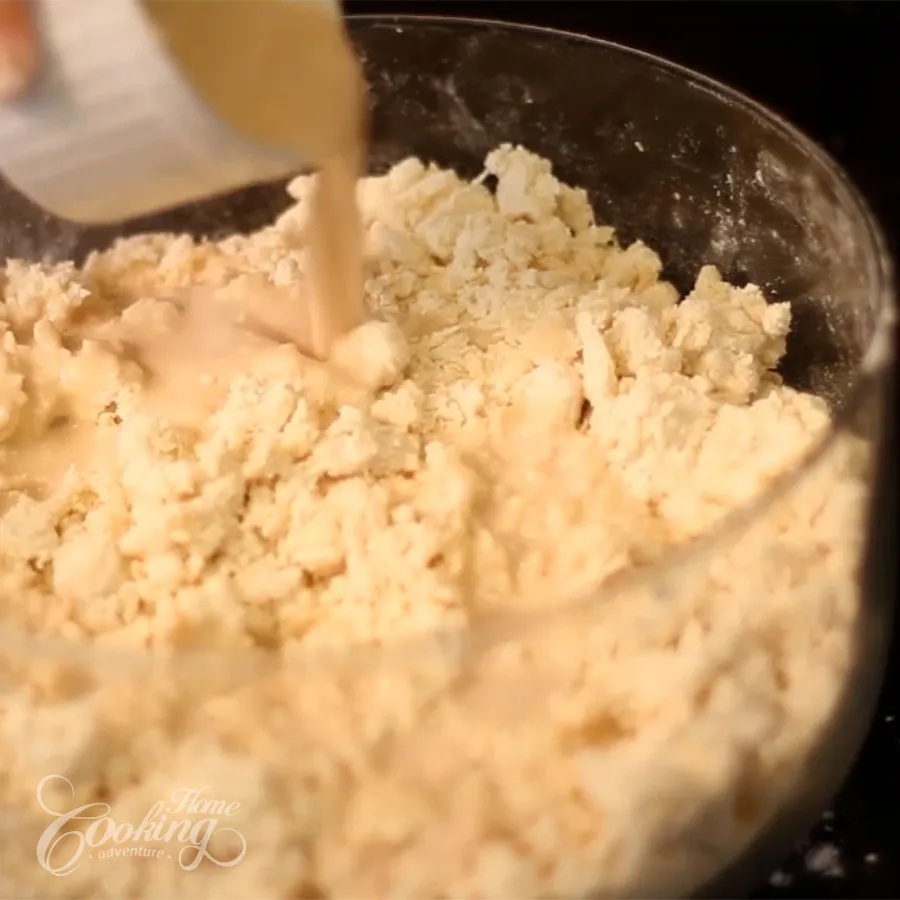
- Dissolve the yeast mixture with the kept water and add to flour mixture.
- Start kneading until pulls away from the bowl.
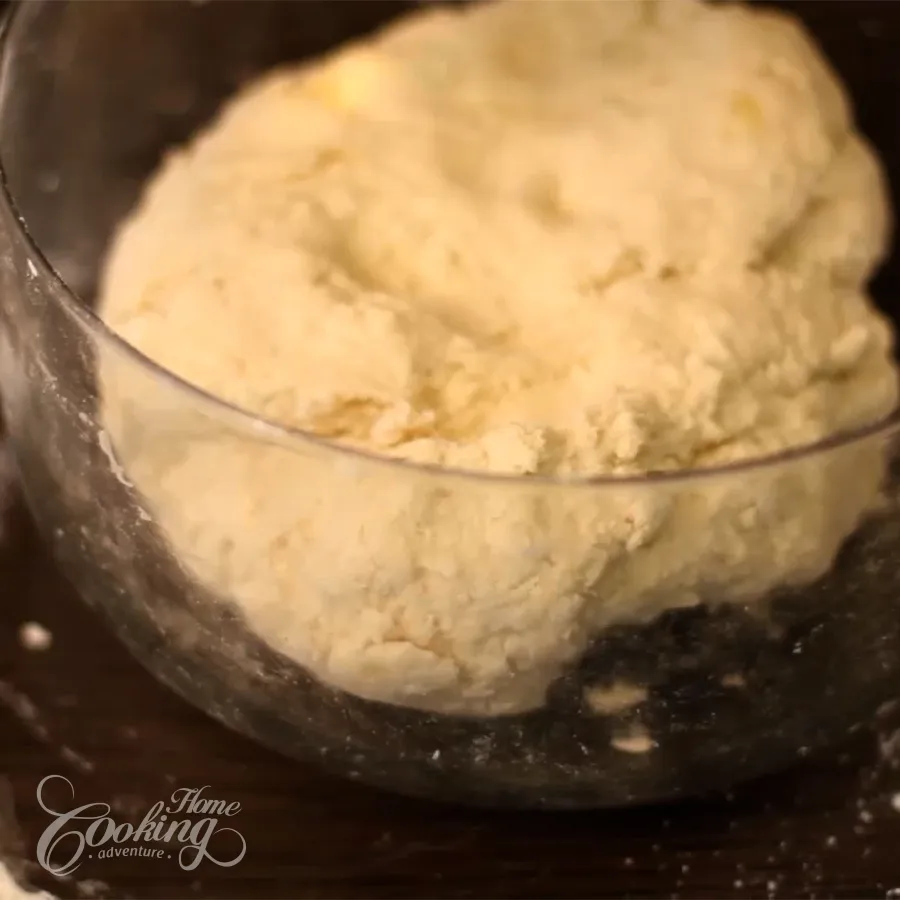
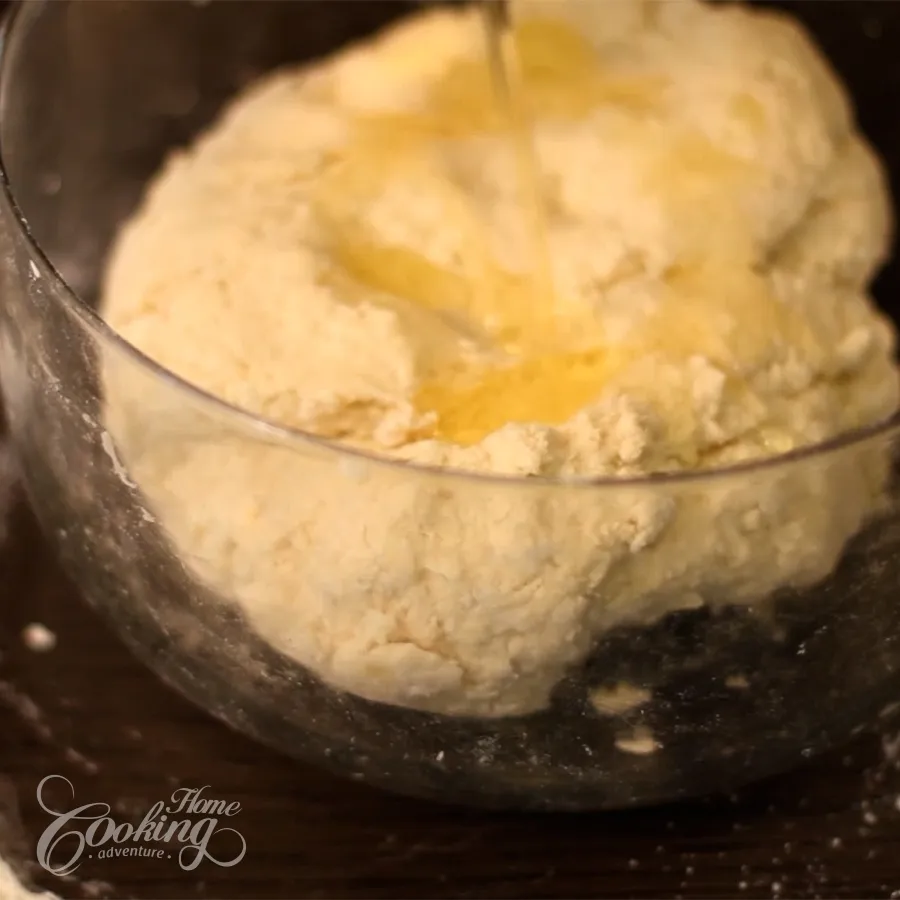
- Incorporate oil into the dough.
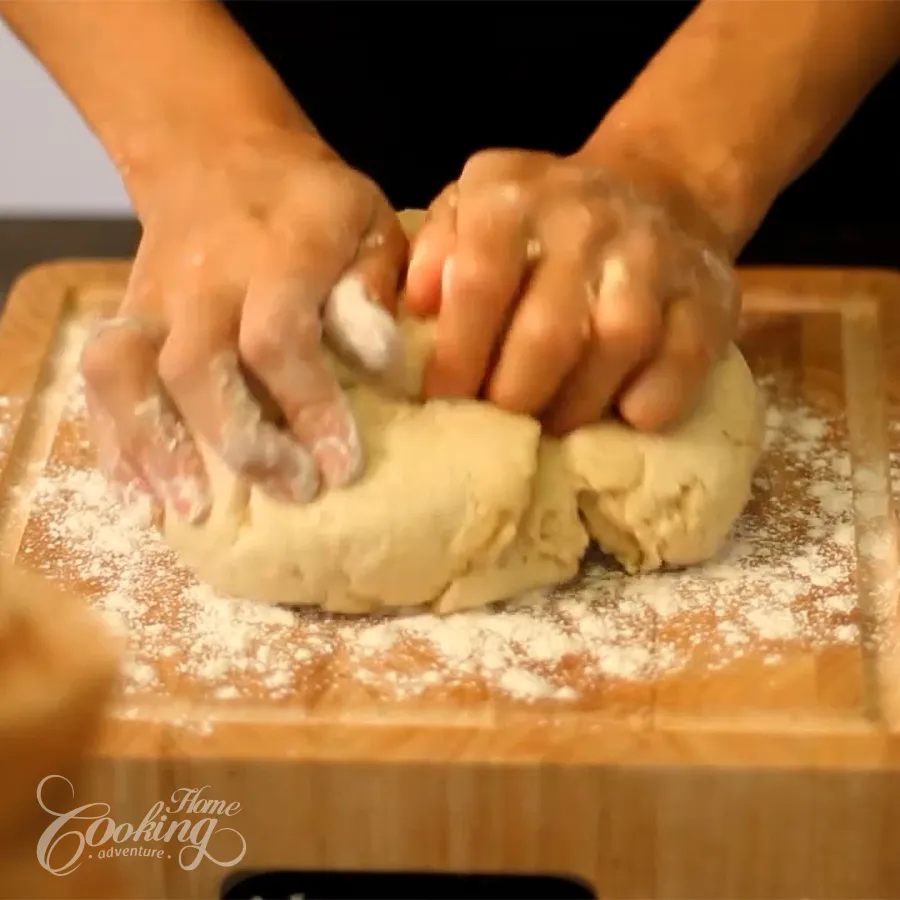
- Continue kneading the dough onto a floured surface for about 5-10 minutes more.
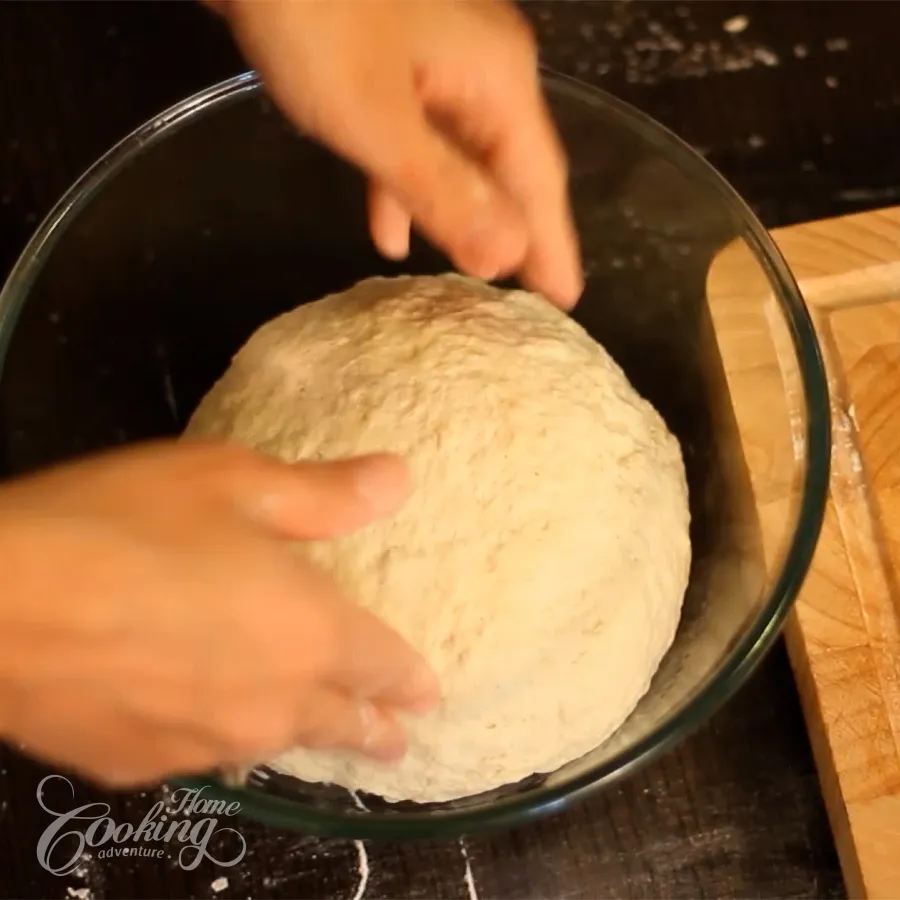
- Sprinkle oil onto a clean bowl, place the dough and cover with plastic wrap. Let it rest for 35 minutes at room temperature until doubled in size.
- On a floured surface flatten the dough into an oval shape and start rolling one edge inward it. Before ending the roll sprinkle a little flour onto the last part.
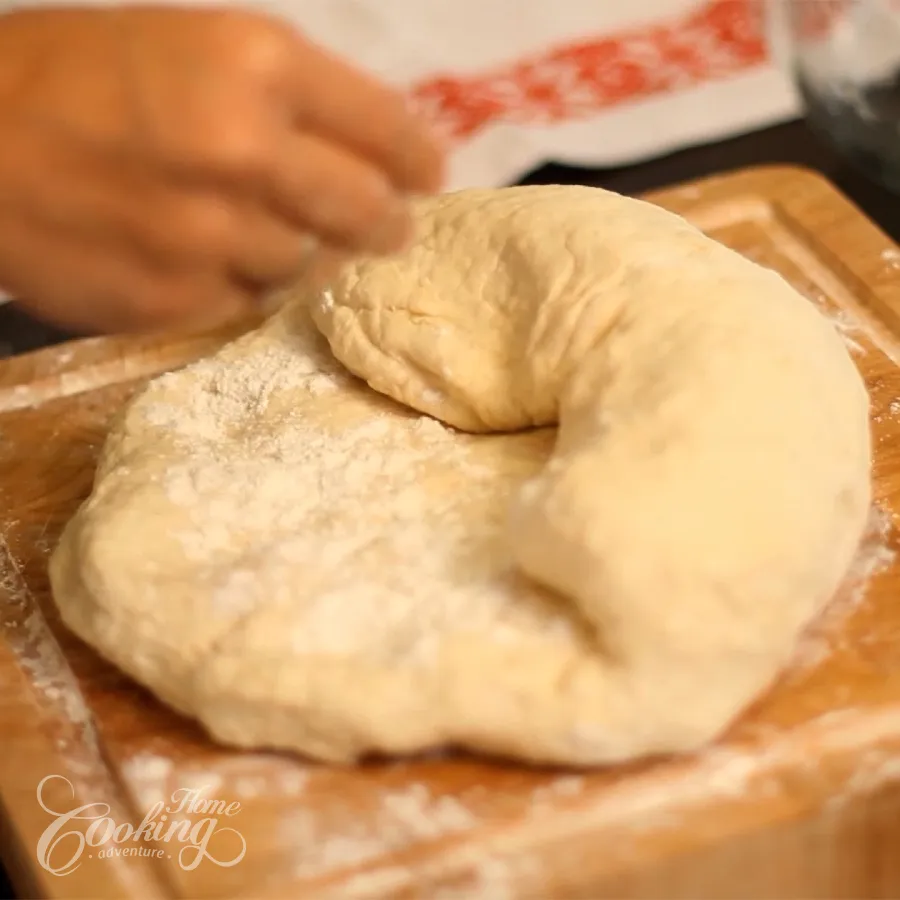
- Roll and turn upside down and shape it into a ball. Place it onto a floured towel and cover. Let rise for another 35 minutes.
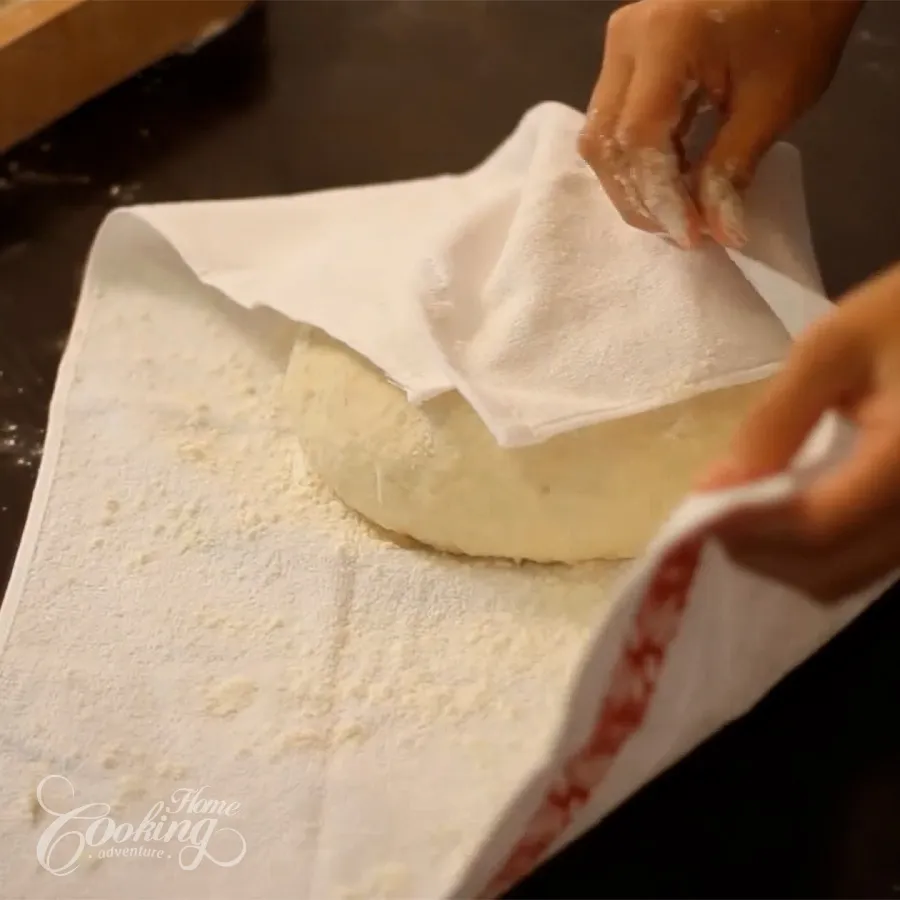
- Meanwhile turn the oven to 470 F (240 C) and add a round (8 or 9 inches diameter) iron cast pan inside without the lid. Leave it in the oven for about 30 minutes until the dough rise.
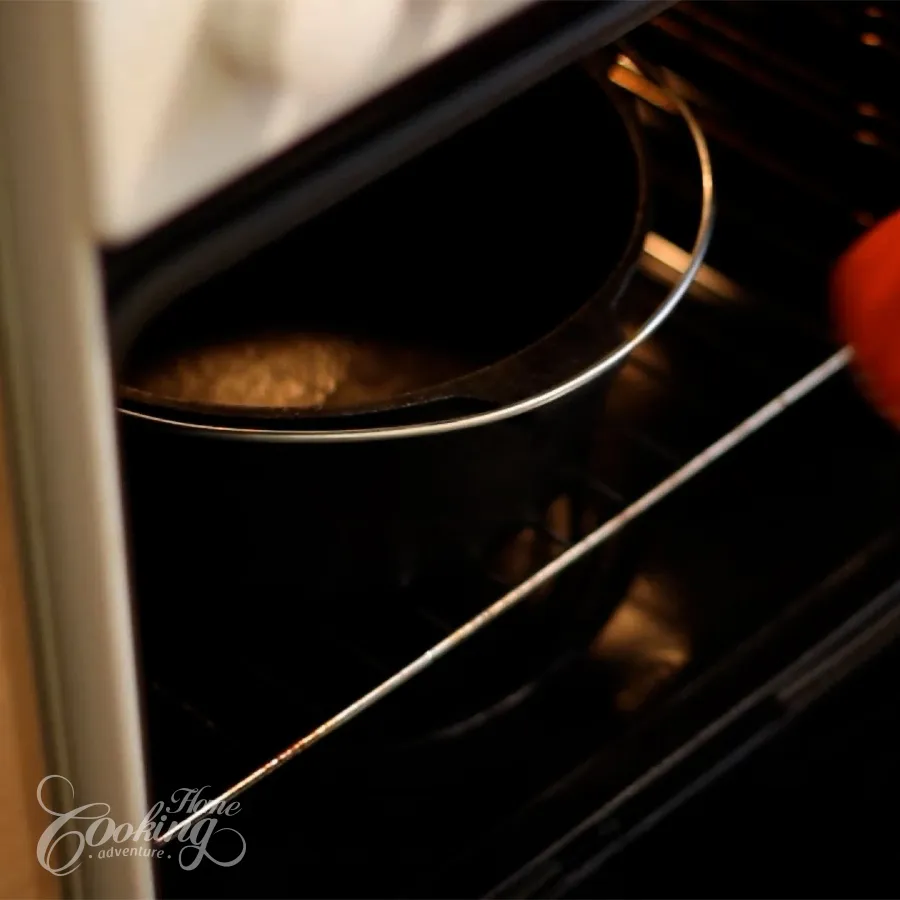
- Remove the iron cast pan from the oven, turn the loaf into the pan and put the lid on. Bake for 25 minutes at 470F (240C) with the lid on to create steam.
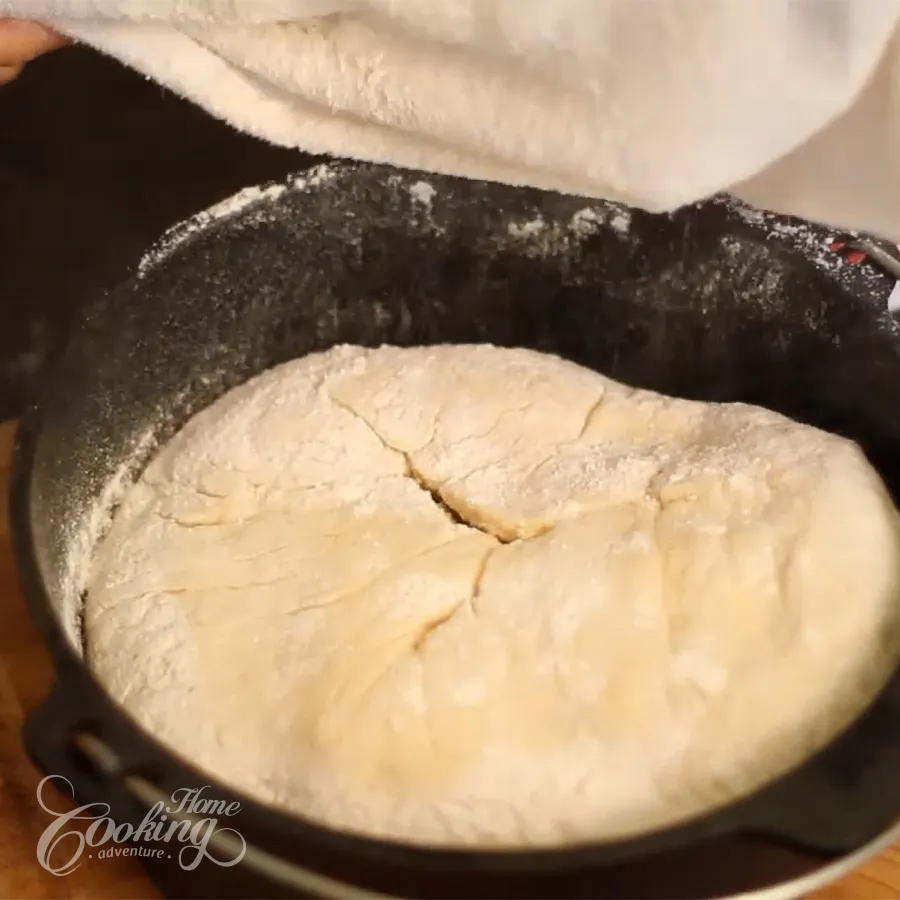
- Remove the lid and bake for another 20 minutes at 440F (230C) to let the loaf get some crispy golden brown crust.
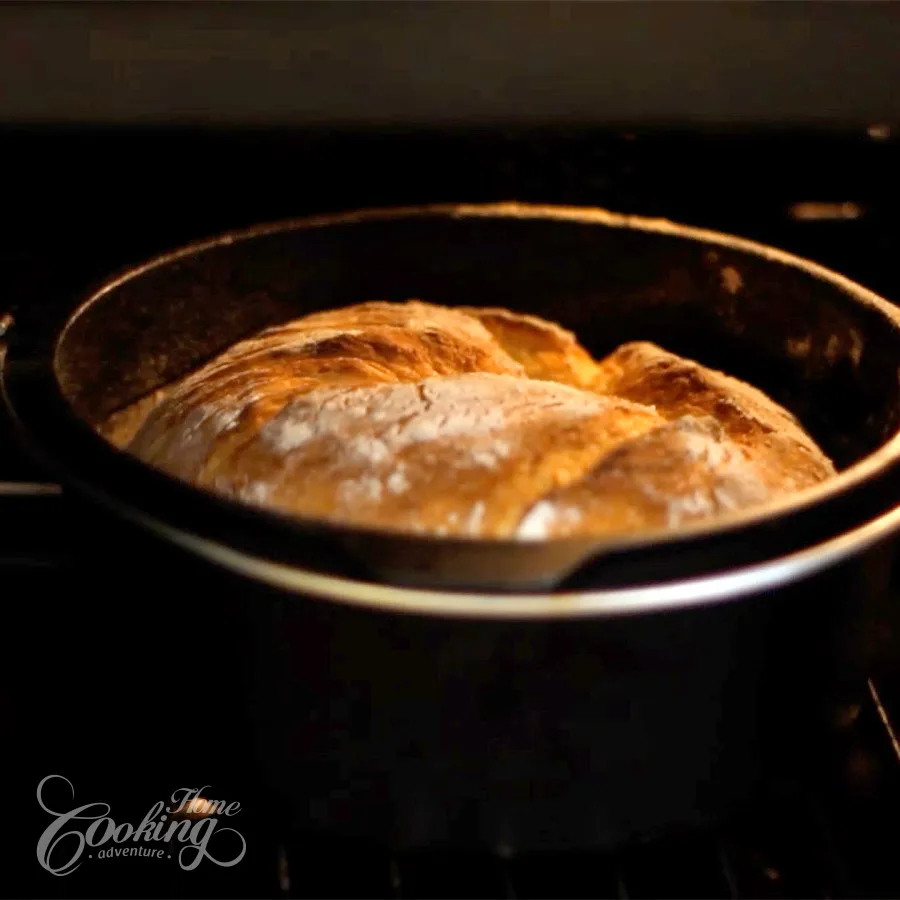
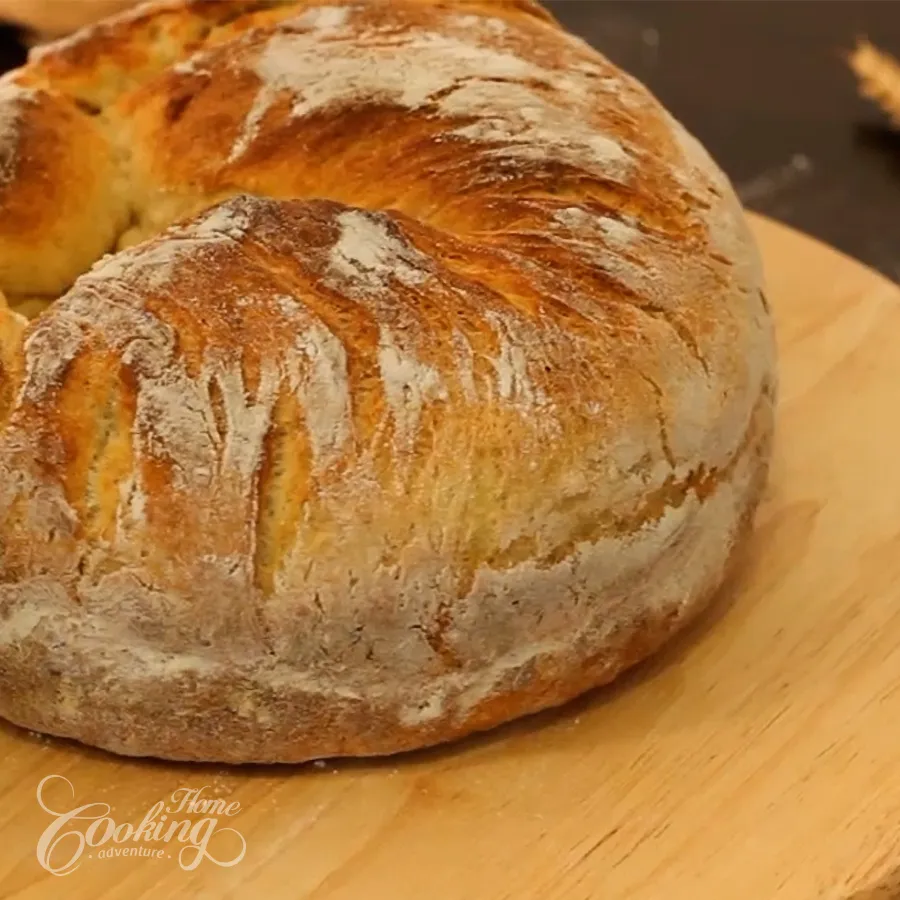
- Let it cool slightly before cutting.
Nutrition
Did you make this recipe?
Please let me know how it turned out for you! Leave a comment below and tag @homecookingadventure on Instagram and hashtag it #homecookingadventure.


What a gorgeous loaf of bread! And I can’t believe it’s made with potato flour!
Thanks Kayle for your comment. As for the flour this was not made with potato flour, I used wheat flour with mashed potatoes. I haven't tried working with potato flour yet, maybe I will do someday. Did you try any recipe using potato flour? I am curious how this works.
This bread looks completely to die for. I’m featuring your post as this week’s Food Porn Friday on my blog’s side bar. 🙂
Thank you very much for featuring this post to your blog. I really appreciate. Have a nice week.
Wowie zowie. Totally amazing. This is gorgeous. LOVE!
Thanks for you appreciation. If you like bread you must try this one.
This looks delicious and I can’t wait to make it myself. However, I have a question about the type of potato used. The recipe calls for white floury potatoes, yet the photos and beautifully made video show what looks like Yukon gold potatoes. Will Yukon Golds yield a different result than Idaho baking potatoes like Russets?
Thanks for your comment. Regarding the potatoes, you can use whatever you have in house. I have made this bread with red potatoes, yellow, white.. the bread was delicious in any case. I said floury potatoes to be easier to mix , but any kind will work very well. The taste is as good. Let me know when you try this recipe how did it work for you. Keep in touch.
Oops, sorry–I just realized the recipe said “white floury potatoes”, that was my bad, it was like morningtime when I read this for the first time 😛 It looks amazing either way! And, no, I haven’t used potato flour yet!
Wow, I love potato bread and yours look soooo perfectly baked. This is great step by step for newbies like myself. I’m imagining the aroma from oven when this was just done… must be heavenly!
this recipe looks amazing and super easy… Thank you for sharing. However, I would like to ask please what else I can use instead of the iron cast pan. Another thing please if i want to add some herbs what do you recommend. I am defiantly going to try it very sooon 🙂
Yes, I consider it an easy recipe too and the bread tastes absolutely great. You can even boil the potatoes one day in advance, this way makes it even easier. Instead of an iron cast pan you can use a baking stone, or a simple pot with lid like an enameled one, or simply a baking tray. You can preheat the baking tray, and transfer the dough onto a parchment paper over the hot back of the baking tray. If you bake it on a tray, to create steam you will have to put a pot with water in the oven. You should probably bake it to only 190C (375 F) for about 40 45 minutes. As for herbs I think it works what ever you like best, like green onion, rosemary, thyme, oregano or basil. I personally would go with green onion or caramelized onion. You might like this bread too: https://homecookingadventure.com/caramelized-onion-bread. If any other questions don't hesitate to ask. Have nice day and let me know if you try the recipe.
My mother gave me a variation of this recipe years ago, but I am going to have to try your idea of baking in cast iron and share it back to my mom. Thank you very much posting.
What size cast iron pot do you use for this bread? This looks so delicious and i want to try it soon, but i need to buy the right sized cast iron pot.
thanks,
irene
I am glad you mentioned it. It is an important detail and I forgot to add it. I will, after this reply .I used a round iron pot of 8-9 inches in diameter. Let me know when you try this:)
Okay, the bread sounds and looks wonderful. Please help me out. How much is 500g potatoes and 120-140 ml water. Sorry I don’t know how to convert.
Thanks.
judy
Just made the changes to the recipe too, 500 g are around 3 or 4 medium potatoes and 120 ml is 1/2 cup. If any other questions let me know. Hope you will try this, is a great bred.
Thanks so much for the conversions. I’m anxious to try the bread. Will let you know how it turns out.
thx for your great step by step recipe,its gread,and the bread looks super delicous, well i have a question,im using dry yeast,and i cant figure out how much water i should use and what i should do abt it,could you help me with it please?thanks
If you use dry yeast, you don't have to increase the amount of water. Just use as much water required in the recipe. (120 -140 ml). With the dry yeast, just do this: Pour the yeast into the retained cooking water which is still warm and leave to swell for 5 minutes. … Add to the flour mixture and continue as the directions mention. Hope it helps. Sorry for the late answer.
Wow! I’m baking it at the moment and it simply looks and smell amazing. I’m very excited to taste it! I just had a question. At the step 4, you said to knead it until it pulls away from the bowl, but in my case, it seemed to get worse and worse. I mean, always more sticky. I tried to add more flour a little bit at the time and again, it seemed to get worse. I finally decided to stop kneading and keep going to the step 5. So, I was wondering how long should I have knead it for and also what would you have done in my case. Thanx! 🙂
It might be the flour. What type of flour did you use? I would have done the same as you, going further with the steps, adding some flour, dusting the working surface just to be able to work with it. Once it is in the oven doesn't matter too much if the shape of the bread was perfect or not. That is why it is a rustic bread. How did it turn out?
I have two questions:
1. Can bread flour be replaced with all purpose flour?
2. If one doesn’t have iron cast pan, can normal round cake tin be used with a baking tray as a lid?
Thank you kindly.
Hola, hice tu receta de “potato bread” y fue un rotundo éxito, estrene mi dutch oven con ella. Lo comí con una pasta de aguacate con italian seasoning, vinagre balsámico, sal y pimienta… mi esposa y yo fuimos felices, mañana los niños también.
thank you
Omg it came out amazing im so happy i found your YouTube video with the recipe link its my new lunch bread for the entire family thanks for sharing it
Dear Lizzy, when I was a child, there was a French bakery close to hour house, and they made the most delicious potato bread, which I can still taste in my mouth. My question to you is how does the yeast liquify without adding some water or milk for it to ferment? Now that fall is just around the corner and the weather should start to cool down I will be making this potato bread. So, if you can clear this question up for me, I will be very greatful.
Sincerely,
Kathy
It is Ella .. not Lizzy 🙂 the fresh yeast liquefies because of the sugar.. just let it fewm minutes with sugar… . start stirring and it will liquefie but itself.. then dissolve in water or milk.. and voila:) is ready for adding it into the dough.. hope you will try it out.. let me know ..
Best,
Ella
thanks for sharing this great recipe I liked it
Yum! I made this bread today and it turned out really well. The bread was done when I took the lid off after 30 mins (gas mark 9). Thanks for sharing 🙂
Could you give the flour measurement in grams? 4 cups of flour can vary in weight enormously.
Could you give the flour measurement in grams? 4 cups of flour can vary in weight enormously.
Amazing recipe! Did it last Tuesday and today was completely gone 🙂
Hi Ella! Thank you for sharing this recipe! Potato bread is one of my favorites. I do not have access to fresh yeast. I see you have the measurements for the active dry yeast. How should I go about activating it?
Is it possible to use potato flour as well in this recipe? I am gluten free and potatoes are my friend